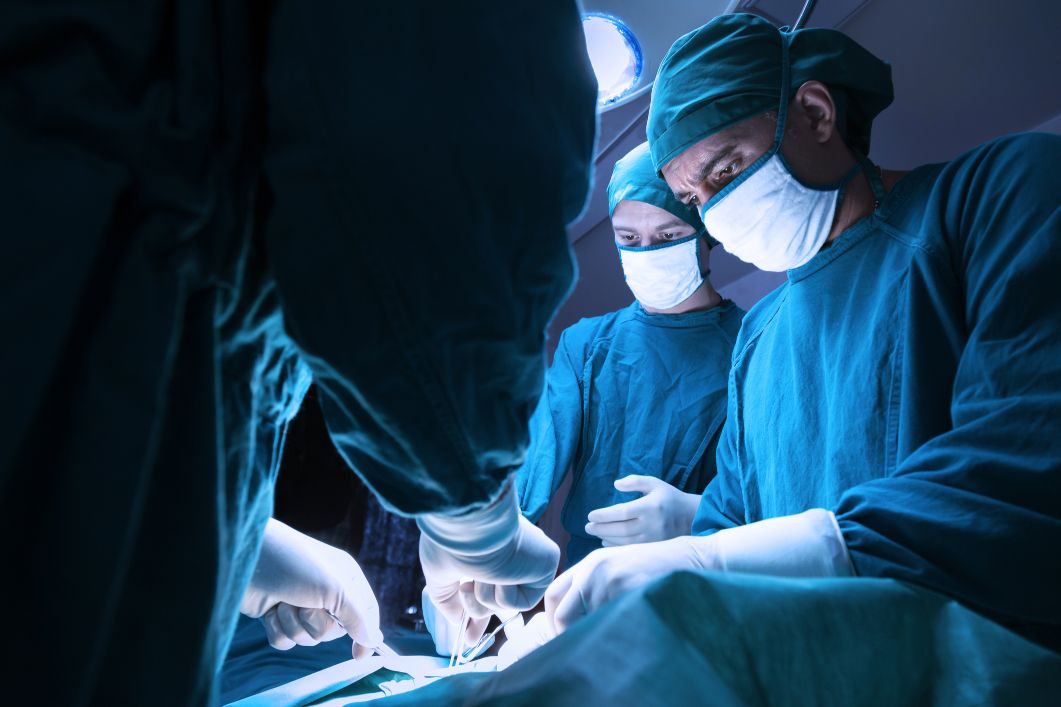
Mainstream medical treatment leads most patients to invasive joint replacement surgery. There are more than
1 million total joint replacements performed in the United States annually. This number is expected to
increase to nearly 4 million by 2030.
Medications prescribed to help with pain only cover up symptoms, allow continued
wear and tear to the joint(s), and, worse, do not get to the root cause of the problem. Surgeries leave scar tissue behind, which limits the mobility of a joint and prevents nutrients from getting into the joint space. This leads to deterioration of the cartilage, and when the cartilage deteriorates to the level of compromising the joint space, joint replacement surgery is the inevitable next step.
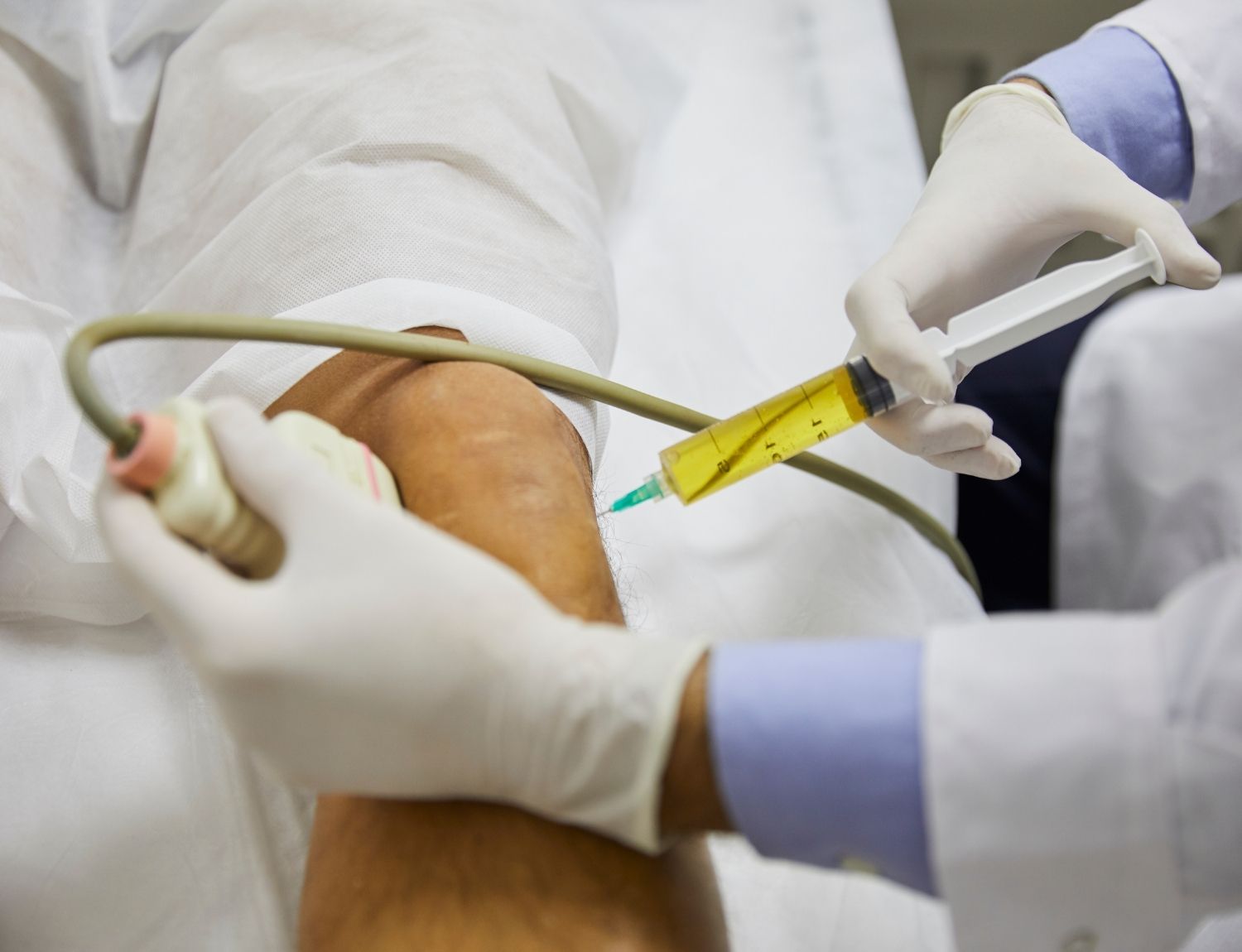
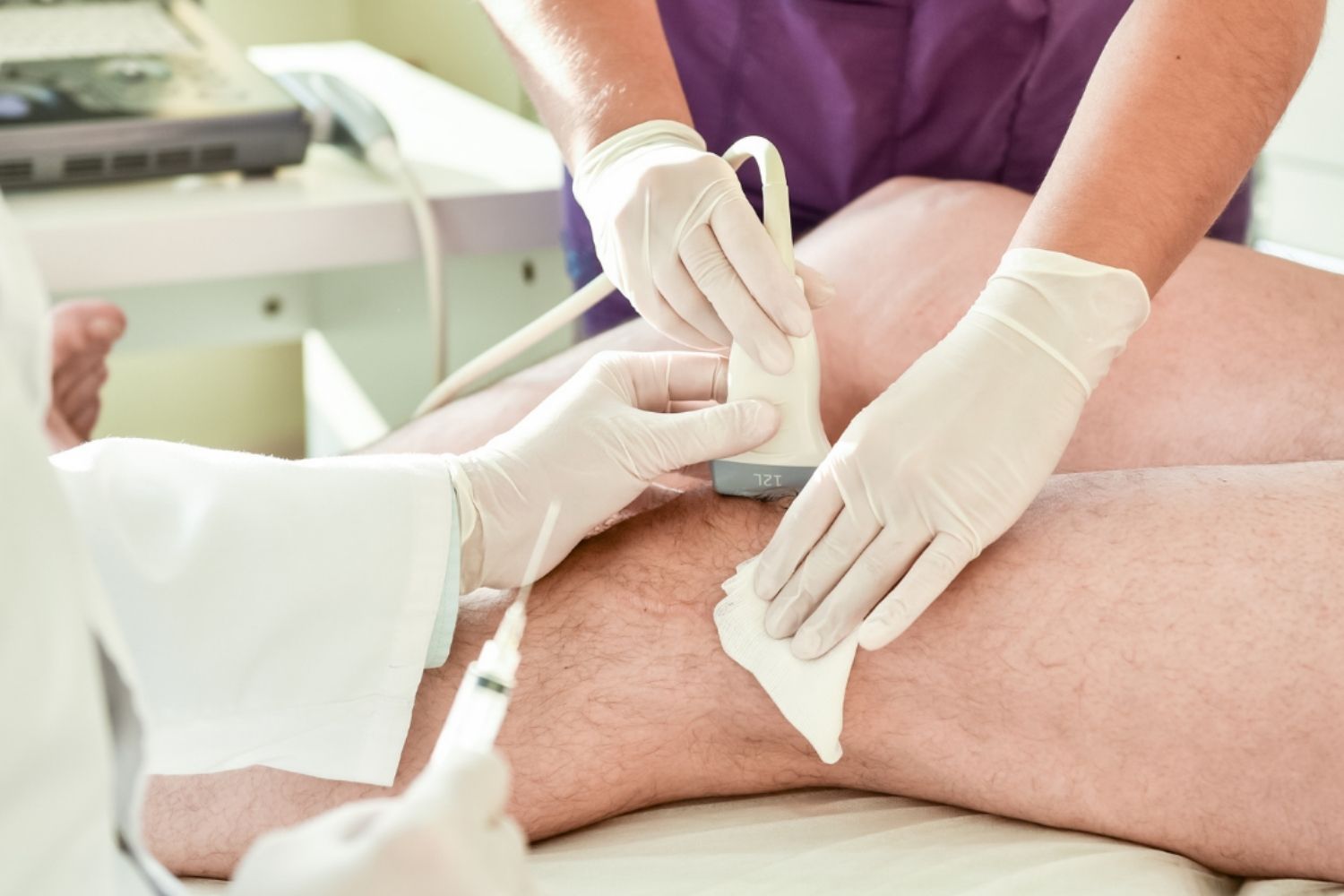
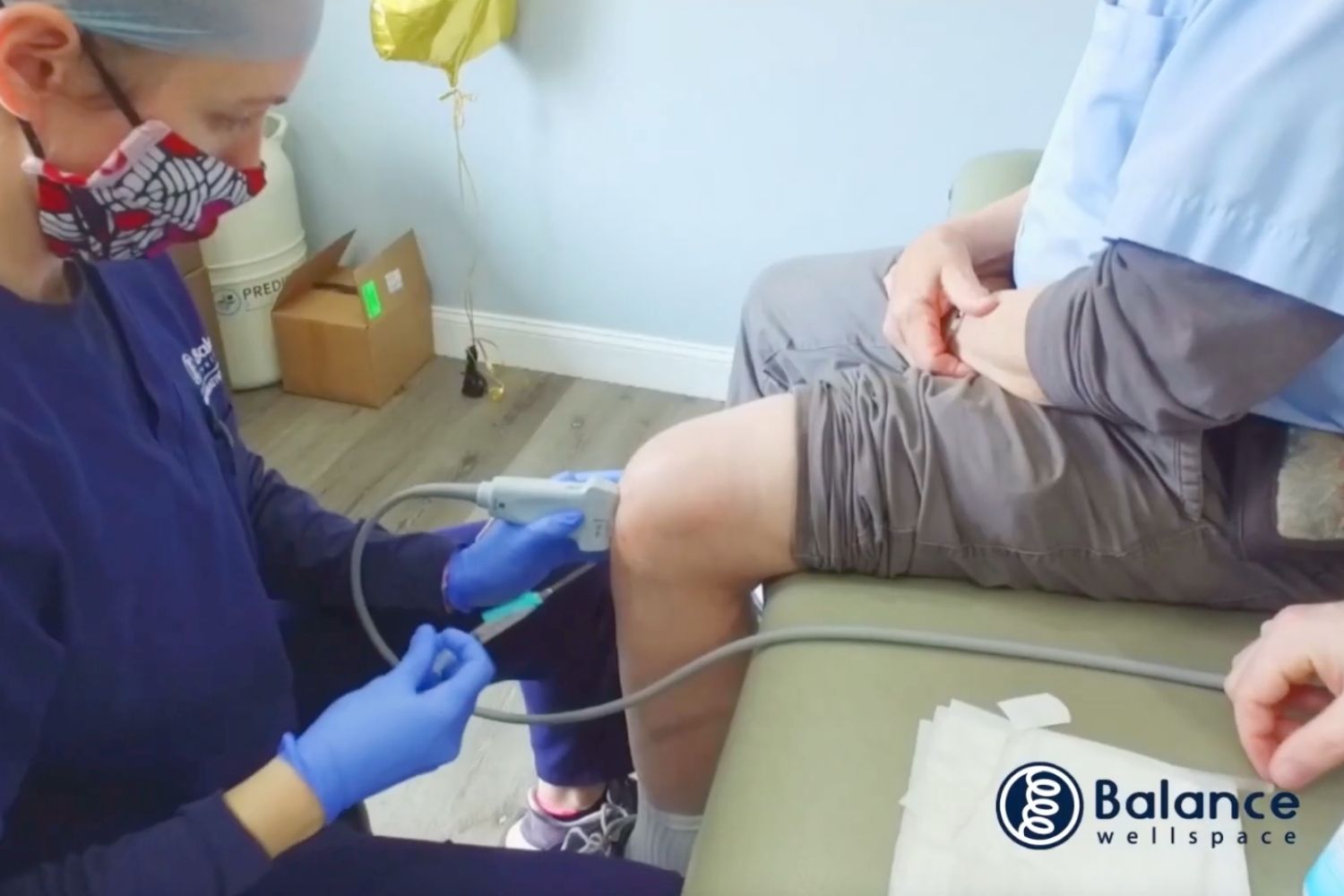
When applied to joints, regenerative medicine treatments show great promise for combating the effects of osteoarthritis and helping many older patients stay active without joint pain. The reason the typical medical treatment cycle ends in invasive procedures is that medication and surgery do not help the body repair damaged tissue. They do not help build the body back up, but only make it more comfortable while the joint continues to deteriorate. Fortunately, regenerative medicine is offering exciting new options for patients who prefer to accelerate the healing process and avoid invasive surgery.